

Freezer Beef Finishing Programs
So you are tired of paying $7.50 per pound for ground beef at the grocery store, or worse yet, having to eat turkey burgers at your weekend barbeque. You have some weaned calves or yearlings standing around and the willingness to feed them, so all you need now is a...

Weaning with a Plan
Let It Begin Fall has arrived and that means it is time for calves to be weaned. Whether you are a cow-calf producer preparing to wean calves off your spring calving herd or a stocker operator anticipating purchasing fresh calves, now is the time to make sure you...

Weather Effects on Cow Requirements
The effects of cold weather, wind, and precipitation have significant effects on energy requirements for cattle. Research indicates that the Lower Critical Temperature for mature beef cattle with a wet hide is 59 oF, and that for every 1 oF below that temperature...

Top 5 Hay Mistakes
For a cow-calf or stocker operation, hay has the potential to be the most valuable or the most expensive commodity that is fed for supplemental nutrition during the winter months. By avoiding these five common mistakes, you can ensure you get the maximum return for...
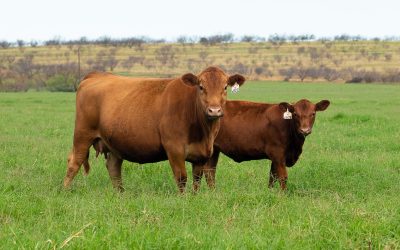
Pasture Management Tips
By: Cody Hixon, M.S. Nutritionist, Livestock Nutrition Center As spring arrives across the Southern and Central Plains, so does the presence of “weeds” in pastures. A “weed” can be defined as any species of plant that is undesirable for pasture health or animal...
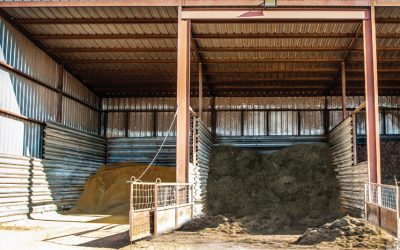
Is a Premix Right for Your Operation?
By: Cody Welchons, Ph.D Nutritionist, Livestock Nutrition Center There is a trend in the pre-feedlot cattle industry to want to control costs through sourcing raw ingredients and mixing feed on a ranch. While this can help to reduce costs, there are many labor, time,...
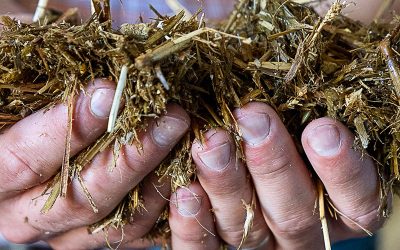
Energy Supplements in Forage Diets
By: Levi Trubenbach, Ph.D - Livestock Nutrition Center Stocker operators often feed supplemental energy to calves on forage-based diets to increase gain, stocking rate, or both. Historically, the standard energy supplement has been grain-based, in conjunction with a...
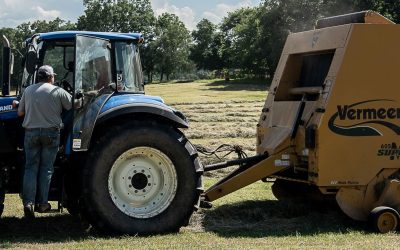
Producing Quality Hay
Dr. Vanessa Corriher-Olson, Professor and Forage Extension Specialist Texas A&M AgriLife Extension Hay is the most common source of stored feed used in livestock operations. Because most of the harvested hay is used on the producer’s own farm, producers should be...
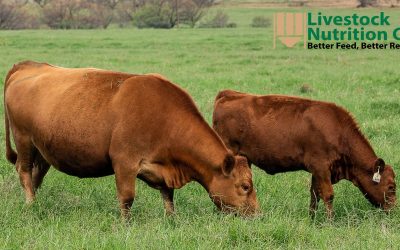
How to Wean Calves with High Feed Prices
By: Henry Hilscher, Ph.D - Livestock Nutrition Center As we prepare for the summer heat and weaning calves later this year, it is a good time to reflect on last year’s weaning. What worked well and what would you change? Apart from the gate that needs to be fixed or...

Get Ahead of Fly Season with the 30/30 Approach to Horn Fly Control
By: Paul Kropp Central Life Sciences As cattle producers, our ultimate goal is to efficiently raise as many pounds of beef per acre as genetically possible. Without a fly control program in place, horn fly populations can swell up to 4,000 flies per animal. The impact...
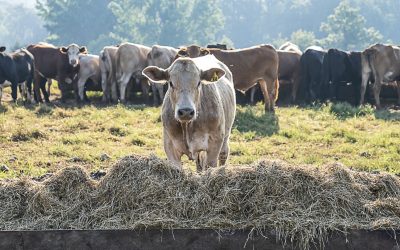
Does Silage Make Sense for You?
By: Cody Welchons, Ph.D. Nutritionist, Livestock Nutrition Center As everyone is all too aware, the cost of doing business is rising. Whether it’s feed ingredients, fertilizer, or labor we have had continuous discussions lately about ways for producers to operate more...

Considerations for Commingling Cattle: Looking Beyond the Averages
By: Ken Blue, DVM, Elanco Technical Consultant & Sara Linneen, PhD, Elanco Technical Consultant The most common health concern for weaned calves is a bovine respiratory disease (BRD) thatcosts the industry approximately $800 – 900 million per year (Chirase and...

How Much Should I be Feeding my Cows?
By: Levi Trubenbach, Ph.D Nutritionist, Livestock Nutrition Center It’s a question we are asked regularly: “How much should I be feeding my cows?” It is a valid question with meaningful tradeoffs – on one hand, we want to minimize the largest variable cost in a...
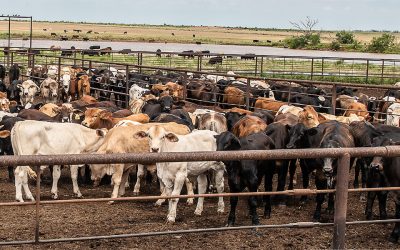
What do Cattle Buyers Value?
By: Henry Hilscher, Ph.D., Michael Hearne, MBA Livestock Nutrition Center, Superior Livestock Auction shared and analyzed by Merck Animal Health As trusted advisors for our customers, we get asked every day about a lot more than nutrition. Customers often want to...
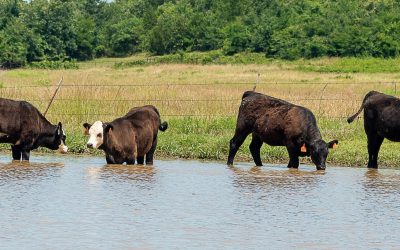
Understanding Heat Stress in Beef Cattle
By: Cody Welchons, Ph.D - Livestock Nutrition Center Coming into the heat of the summer, it is important to think about how high temperatures and humidity can affect cattle and to consider potential methods to mitigate heat stress. While cattle in pens are more...

Understanding Feed Ingredient Price Drivers
By: Ben Baer President, Livestock Nutrition Center “Corn is king!” We’ve all heard someone say that they can predict the price of their feed based on the price of corn. While there is some truth to this statement, feed costs are driven by more factors than the price...
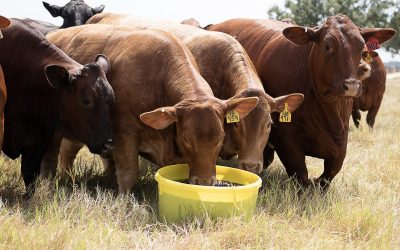
Focus on the cow herd in a dry fall season.
By: Levi Trubenbach, Ph.D., Livestock Nutrition Center As we approach the end of a summer season with relatively (historically, in some areas) dry conditions across much of our serviceable area, we have been receiving more calls than normal about supplemental feed for...
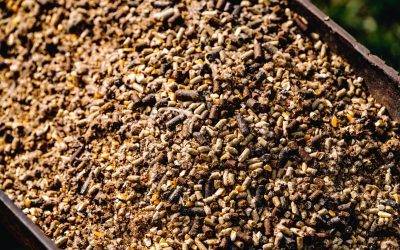
Hay Stretchers: Are they for me?
By: Henry Hilscher, Ph.D., Livestock Nutrition Center What are signs I need a hay stretcher? With the hot dry conditions and lack of rainfall lately, hay production has been in serious decline in the central southern US. This is putting on a strain on current forage...